
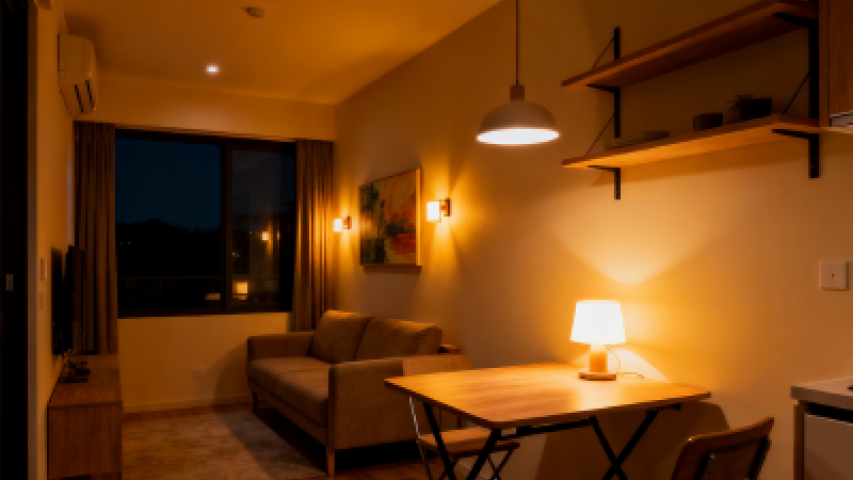
Have you ever stepped into a small apartment that somehow felt bigger than it actually is? In cities like Singapore, where compact living is normal and every square meter counts, lighting often becomes the design tool that changes how people perceive space. A smart lighting strategy can make a small unit feel open, comfortable, and visually spacious without changing the floor plan.
Lighting Shapes How We Read Space
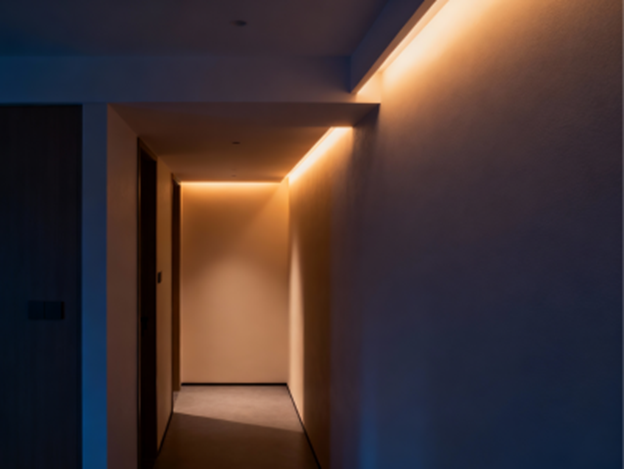
Lighting does more than illuminate a room. It influences how we understand depth, height, and volume. Research published in the Journal of Environmental Psychology shows that brightness gradients and directional lighting affect how people judge the size of interior spaces. In small apartments, the right lighting placement can soften edges, reduce visual clutter, and draw the eye outward. Designers use this to create a sense of flow. For example, wall washing makes narrow walls appear wider. Cove lighting reduces harsh shadows that normally make a space feel cramped.
Color Temperature Changes Mood and Perception
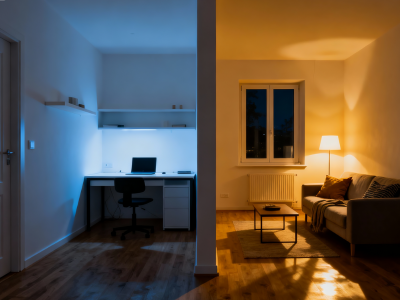
Warm and cool light influence how people emotionally interpret a room. The WELL Building Standard notes that balanced circadian lighting improves comfort and supports natural rhythm throughout the day. For small units, cooler tones during the day can make a space feel clearer and more open. Warmer tones at night soften the environment and create relaxation. When used correctly, this shift helps small apartments feel less confined and more adaptable to different activities.
Light Enhances Materials and Expands Visual Boundaries
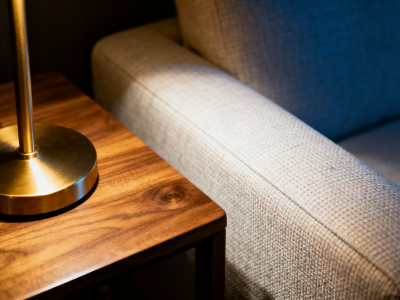
Materials react strongly to light. High CRI lighting makes surfaces look clean and premium, which matters in small spaces where textures and finishes are easily noticeable. Research from Philips Lighting found that high CRI lighting increases perceived material quality by up to 30 percent.
Layered Lighting Creates Visual Depth
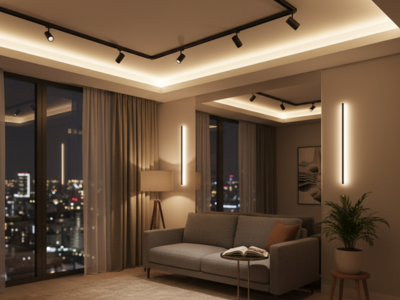
Small apartments benefit the most from layered lighting. Ambient lighting sets overall tone. Task lighting defines functional areas. Accent lighting adds depth and visual hierarchy. The IALD Lighting Design Framework highlights that layering light reduces flatness and creates a more dynamic environment.
When depth is visible, the brain interprets the room as larger. This effect is powerful in studios and one bedroom layouts.
Smart Lighting Makes Small Spaces More Adaptive
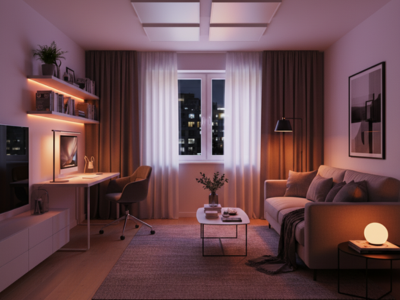
Smart lighting lets homeowners adjust brightness and mood instantly. Scene presets help one room transform from a workspace to a lounge area. Dynamic white systems shift with natural rhythm. These features make a small apartment feel multifunctional and alive, not restrictive.
Let’s Talk About It
Designing small apartments is always a challenge, but lighting has the power to shift perception and change how people experience space. I am curious to hear your experiences. Have you seen lighting make a compact room feel bigger and more welcoming? Share your thoughts in the comments.
References:
- Journal of Environmental Psychology. Research on how lighting direction and brightness influence spatial perception. https://www.sciencedirect.com/journal/journal-of-environmental-psychology
- WELL Building Standard. Light guidelines for circadian rhythm and occupant comfort. https://v2.wellcertified.com/en/light
- Philips Lighting Research (Signify). Study on material perception and high CRI lighting. https://www.signify.com/en/research
- International Association of Lighting Designers (IALD). Lighting design framework and layering principles. https://www.iald.org/