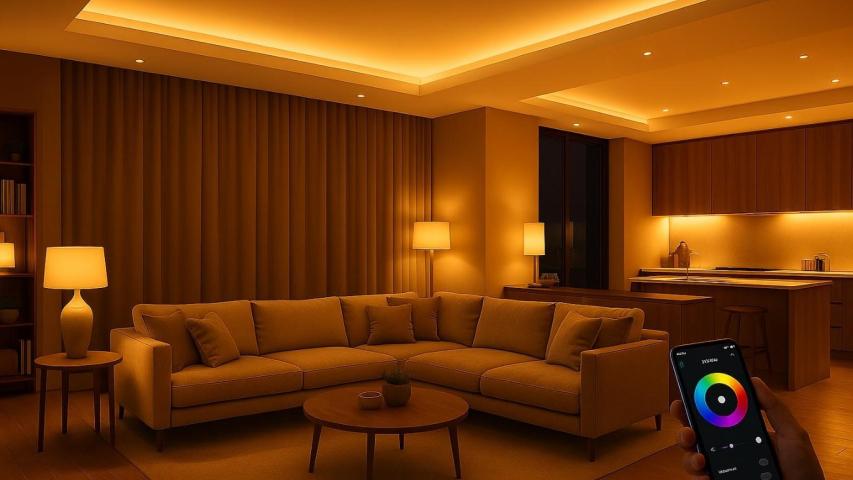
Smart lighting in Singapore is no longer just a luxury add-on. It is becoming an essential feature for modern homes. With LED lighting adoption, smart home automation systems, and energy efficient lighting solutions, homeowners can reduce their energy bills while enjoying hotel-grade ambience. In 2023, Singapore households accounted for about 14 percent of national electricity consumption, which highlights the importance of sustainable lighting in everyday living.
Why Smart Lighting Is Growing in Singapore
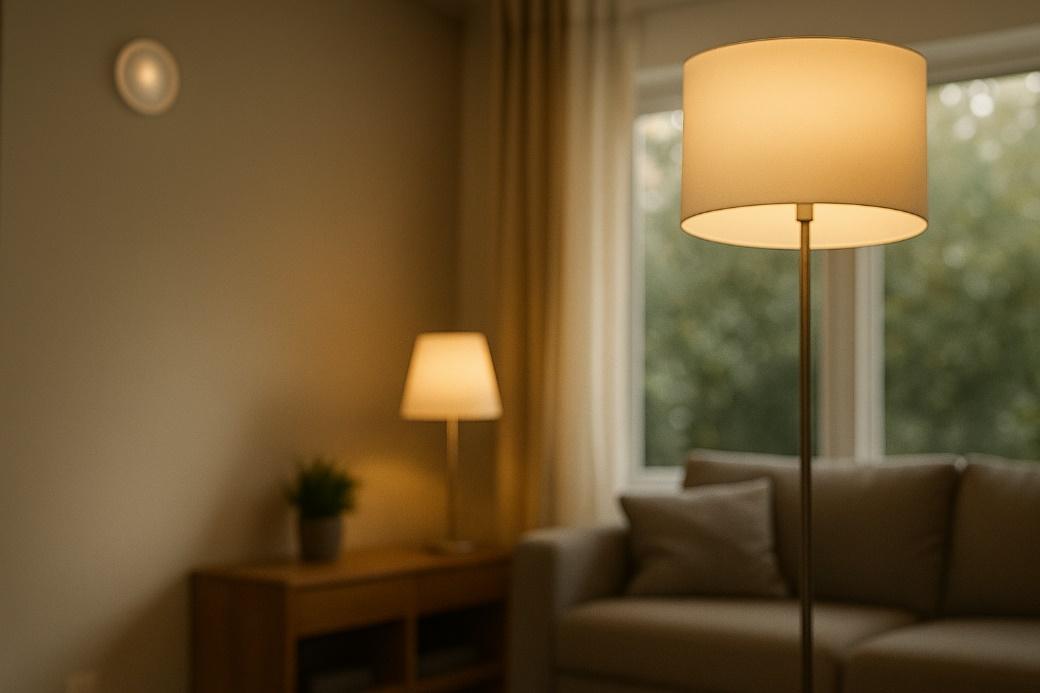
Energy efficiency is the most obvious benefit. LED lighting in Singapore can save up to 80 to 90 percent of energy compared with incandescent bulbs, and about 50 to 60 percent compared with fluorescent lamps.
For households, the impact is clear. Automated dimming, motion sensors, and daylight controls further reduce electricity use, making homes more sustainable.
Lifestyle benefits are another factor. Smart tunable white systems can improve mood, productivity, and comfort, which makes them a core feature of luxury lighting design in Singapore.
Compliance and Safety for Smart Homes
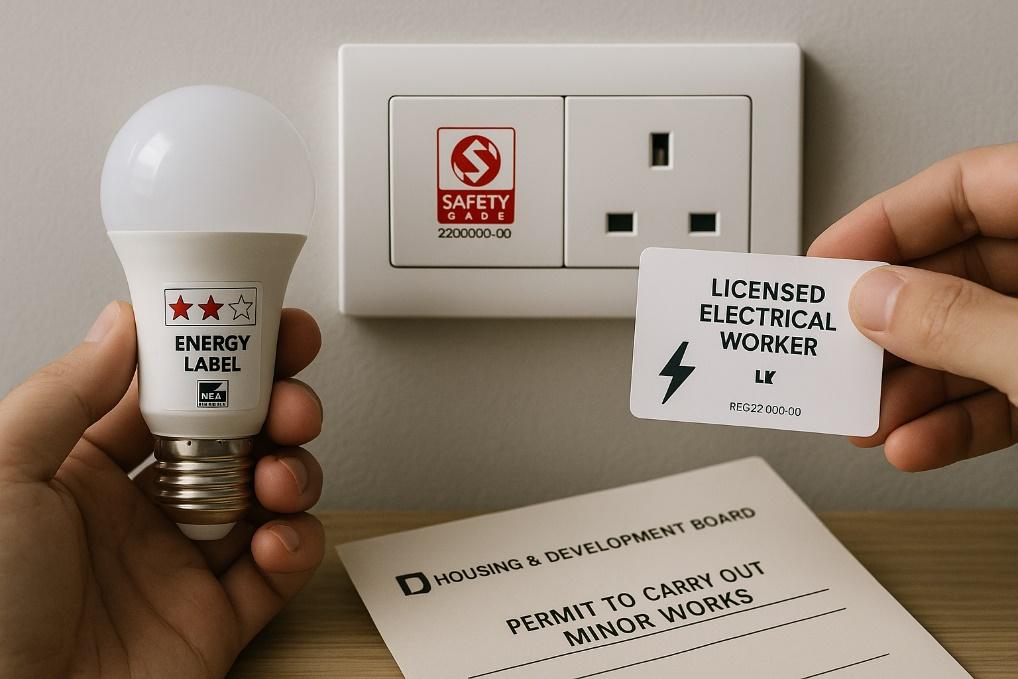
The National Environment Agency requires lamps sold in Singapore to carry the Mandatory Energy Labelling Scheme (MELS) and to meet Minimum Energy Performance Standards (MEPS). High-tick models are the most efficient choice.
All electrical products must meet the Safety Mark standards under the Consumer Protection (Safety Requirements) Regulations.
The Energy Market Authority requires that all rewiring and major electrical installations be done by a Licensed Electrical Worker.
For HDB homes, there are specific guidelines on what can be done as minor works and what requires a permit.
Interoperability and Smart Nation Readiness
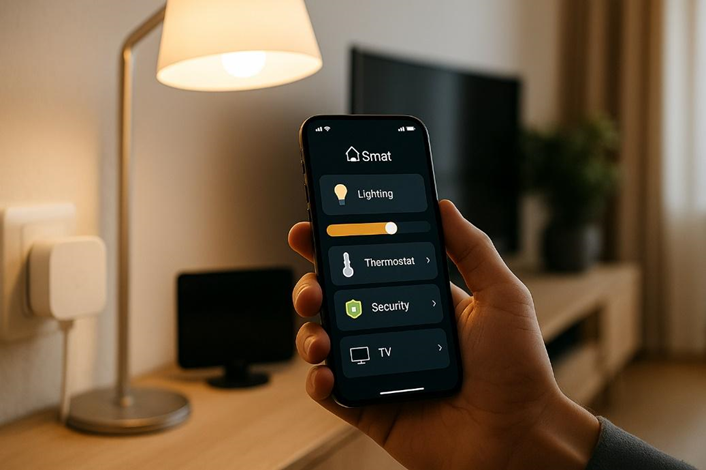
Singapore promotes smart home solutions through standards such as SS 695:2023 on IoT interoperability and SS 711:2025 on IoT security.
To avoid platform lock-in and to future-proof your smart home, choose lighting that is Matter-compatible. Major platforms such as Apple, Google, and Samsung already support this standard.
Design Playbook: Efficiency Meets Luxury

Layered lighting is the foundation. Combine ambient, task, and accent lighting to create depth and flexibility.
Tunable colour adds another dimension. Homeowners can shift between warm and cool tones depending on time of day and activity.
Smart controls make a difference. Motion sensors, dimmers, and scheduling can help reduce wasted energy while enhancing comfort.
Room-specific design is important too. Kitchens benefit from brighter task lighting, while bedrooms are best with warmer relaxing tones. Bathrooms should use lights designed for wet zones with proper ingress protection.
Product Selection Checklist
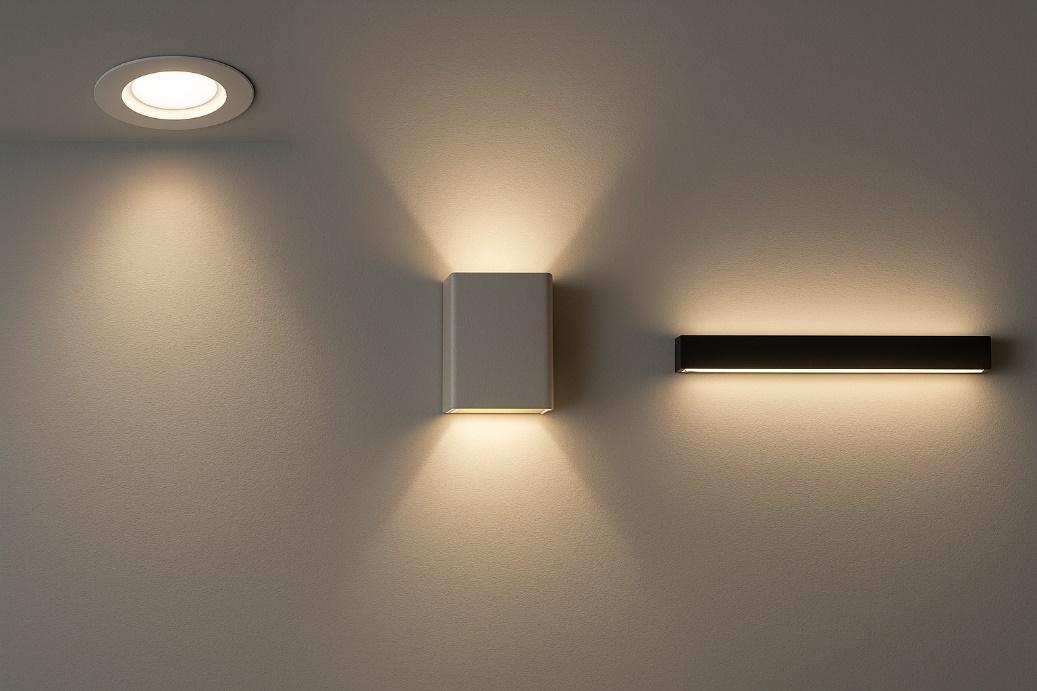
- Choose high-tick LED lighting that is certified under the NEA Energy Label.
- Check compatibility between dimmers, drivers, and lamps to avoid flicker.
- Look for smart lighting that supports Matter so devices work smoothly across platforms.
Installation and Commissioning
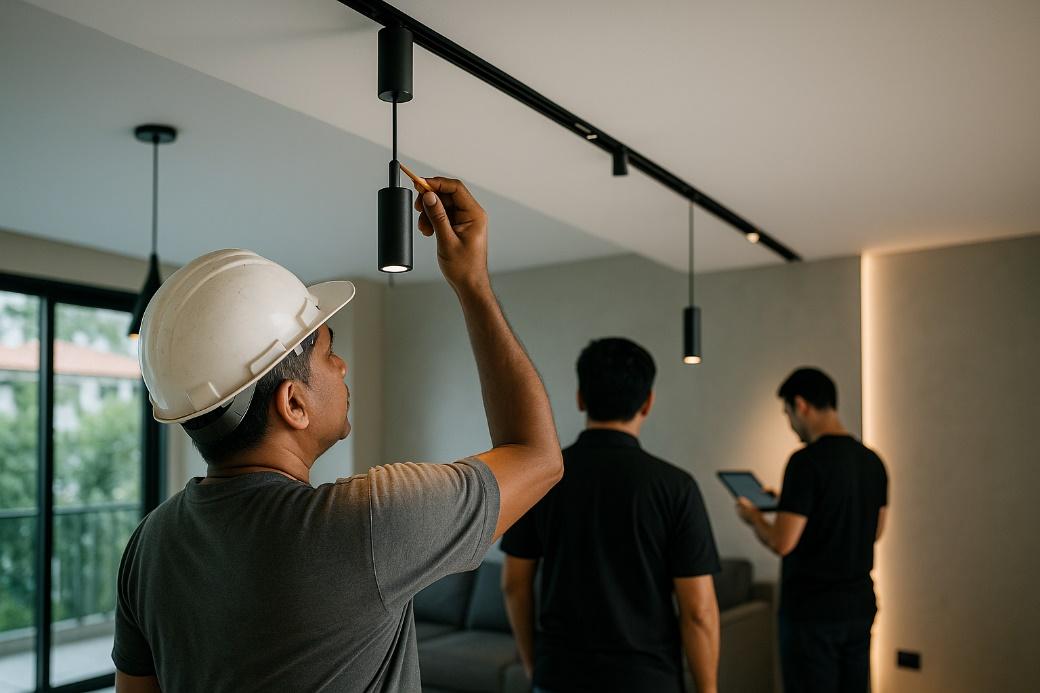
At Luminex, our team integrates lighting solutions in Singapore with full compliance and design excellence. From working with Licensed Electrical Workers to passing SP Group inspections and commissioning custom lighting scenes, we deliver home automation that blends efficiency with lifestyle.
Join the Conversation
In Singapore, lighting is more than functionality. It has become a statement of efficiency, luxury, and sustainability. With HDB flats, condominiums, and landed properties adopting smart lighting, the question is no longer whether to adopt but how quickly households can benefit.
What about you? Would you prioritise energy savings, luxury ambience, or smart home convenience in your next lighting upgrade? Share your thoughts with us. We would love to hear how you see the future of lighting design in Singapore homes.
References
- Energy Market Authority (EMA). Singapore Energy Statistics 2025. Data on household electricity consumption.
https://www.ema.gov.sg - National Environment Agency (NEA). Mandatory Energy Labelling Scheme (MELS) and Minimum Energy Performance Standards (MEPS) for lamps. https://www.nea.gov.sg
- Consumer Product Safety Office (CPSO), Enterprise Singapore. Safety Mark and Consumer Protection (Safety Requirements) Regulations.
https://www.consumerproductsafety.gov.sg - Energy Market Authority (EMA). Licensed Electrical Worker (LEW) Requirements.
https://www.ema.gov.sg - SP Group. Application for Turn-On of Supply and Electrical Inspections.
https://www.spgroup.com.sg - Housing and Development Board (HDB). Guidelines for Renovation and Electrical Works.
https://www.hdb.gov.sg - Building and Construction Authority (BCA). Singapore Standards for Energy Efficiency in Building Services (SS 530) and Lighting of Workplaces (SS 531-1).
https://www1.bca.gov.sg - Infocomm Media Development Authority (IMDA). SS 695:2023 on IoT interoperability and SS 711:2025 on IoT security.
https://www.imda.gov.sg - International Energy Agency (IEA). Energy Efficiency 2022 report, lighting and LED sector.
https://www.iea.org - U.S. Department of Energy (DOE). Solid-State Lighting Program Reports on LED efficiency and savings.
https://www.energy.gov - Illuminating Engineering Society (IES). Residential Lighting Recommended Practices.
https://www.ies.org - Chartered Institution of Building Services Engineers (CIBSE). Lighting Guides for Residential and Task Areas.
https://www.cibse.org - Connectivity Standards Alliance (CSA). Matter Smart Home Standard and certification guidelines.
https://csa-iot.org - The Verge and TechCrunch. Industry coverage of Matter protocol adoption by Apple, Google, and Samsung.
https://www.theverge.com | https://techcrunch.com - LED Professional Journal. Human-Centric Lighting Studies in Tropical Environments.
https://www.led-professional.com